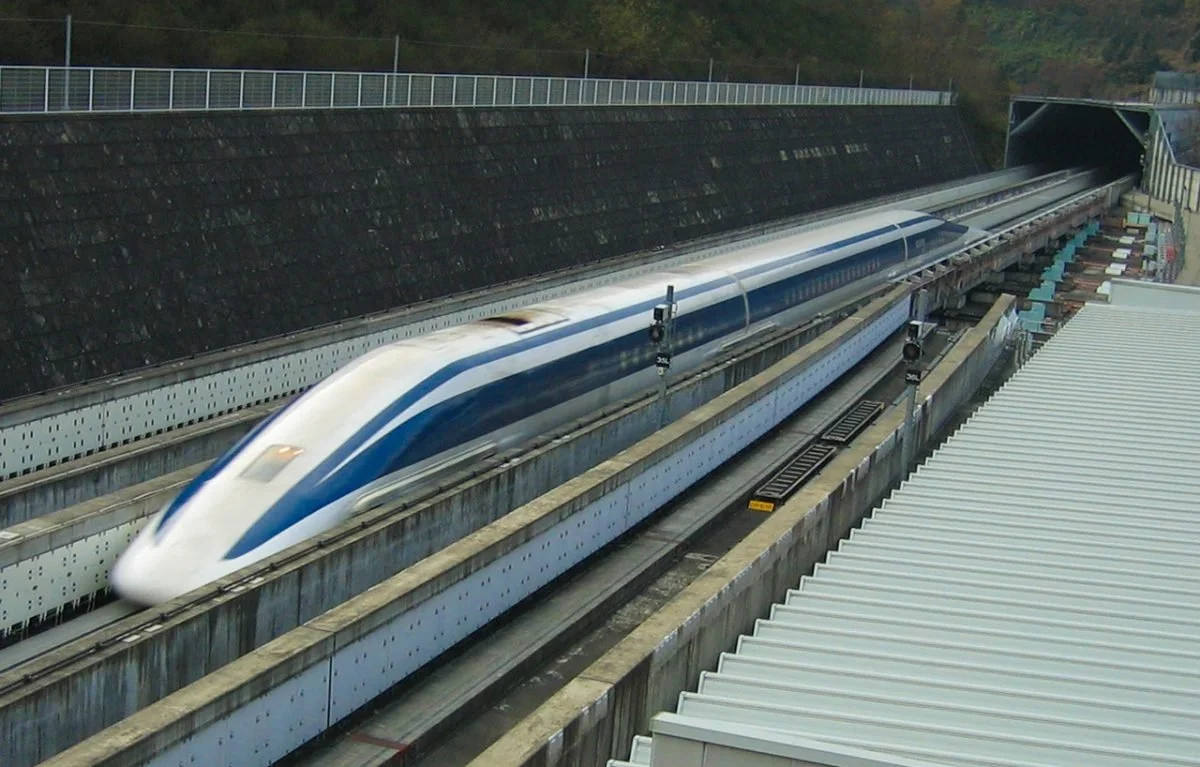
When people talk about “world-class transit,” they often focus on top speed or futuristic trains. But the most successful systems in the world share a deeper set of principles — and they have little to do with flashy technology.
In places like Japan, Germany, South Korea, and Hong Kong, transit works because it is integrated into daily life and long-term planning. Stations are centres of activity. Service is frequent and reliable. Development is planned around transit, not against it. Most importantly, rail is treated as economic infrastructure, not just a transportation expense.
South Korea’s GTX regional rail system, for example, is being built specifically to connect housing markets with employment centres across metro regions. Hong Kong’s MTR uses land value created by transit to help fund the system itself. Germany synchronizes national and regional rail schedules so the network works as one.
The GTA Crosstown draws lessons from these global precedents while responding to local realities. It recognizes that the GTA is no longer a single-centre region and that future growth depends on connectivity across municipalities, not just into downtown Toronto.
By using the 407 corridor, integrating housing from the outset, and exploring land value capture to fund infrastructure, the Crosstown reflects the same principles that underpin the world’s most advanced systems — adapted for the GTA.
The question is no longer whether the GTA will continue to grow. It will. The real question is whether that growth will be shaped intentionally, or whether the region will continue reacting to problems after they’ve already become crises.
The GTA Crosstown is a proposal to choose the first path.
