Our Approach
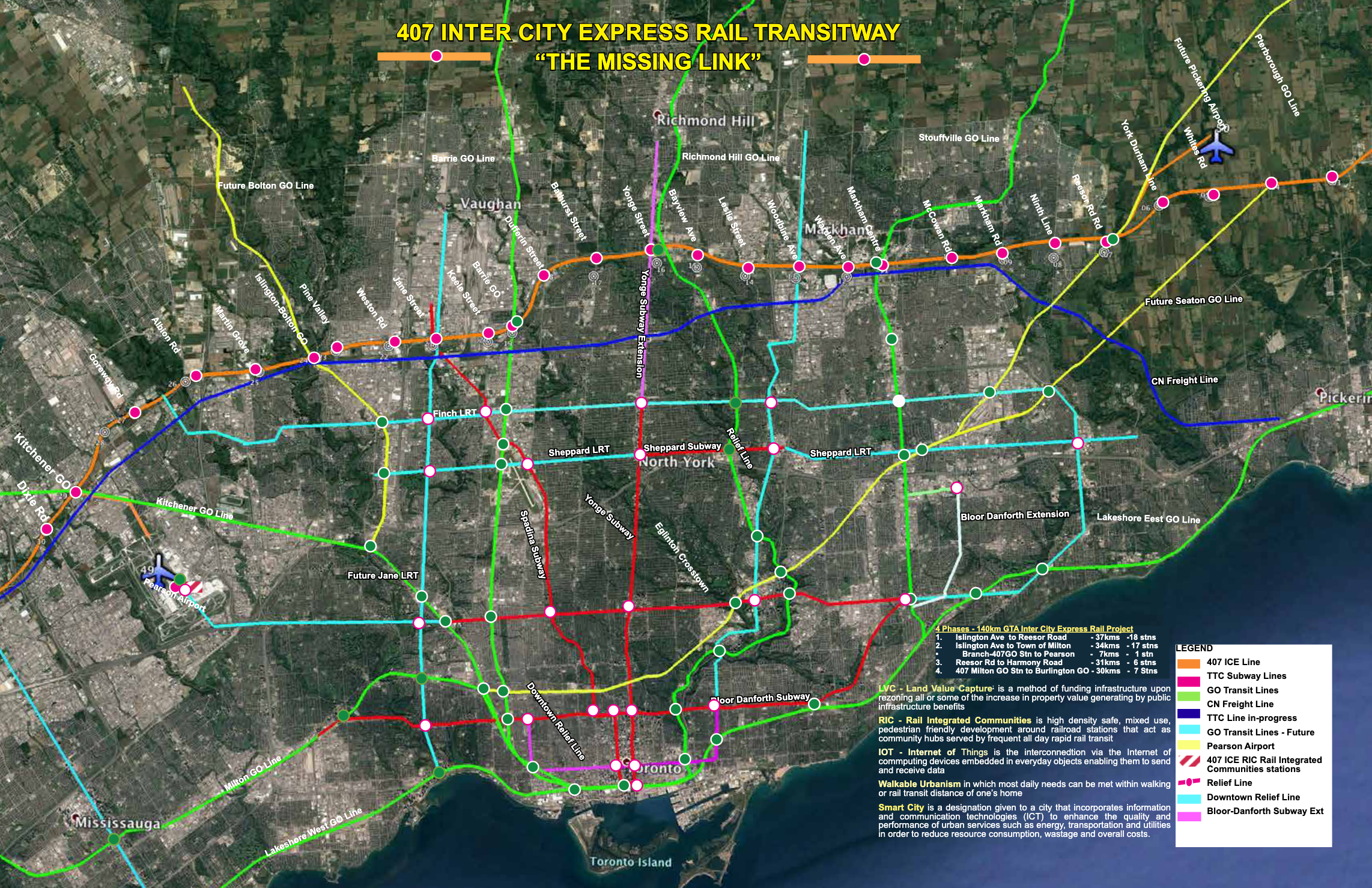
The GTA Crosstown is guided by three core principles.
Integrated planning
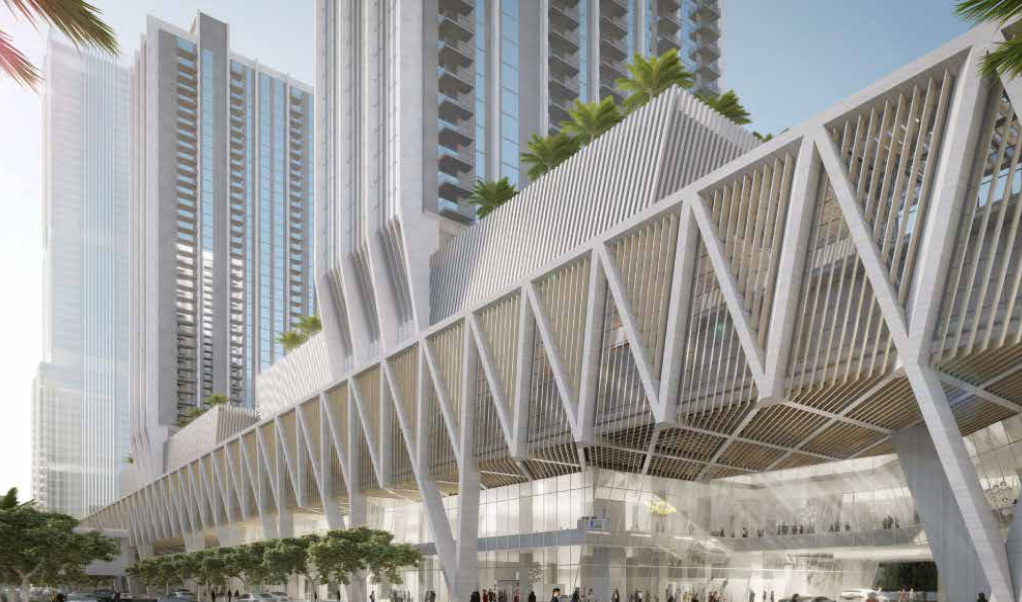
Transit, housing, employment, and public space must be planned together. Stations are not endpoints — they are community anchors. Every element of the Crosstown is envisioned as part of a complete, transit-oriented ecosystem.
Sustainability by design
From electrified rail to compact, walkable development, the Crosstown prioritizes low-carbon growth. Reducing car dependence, improving energy efficiency, and protecting green space are fundamental to the project’s vision.
Financial responsibility and long-term value
The Crosstown explores land value capture and rail-integrated development as tools to help fund infrastructure and reduce reliance on public subsidies alone. Growth should help pay for growth, delivering lasting value to the region.
What This Project Is — and Isn’t
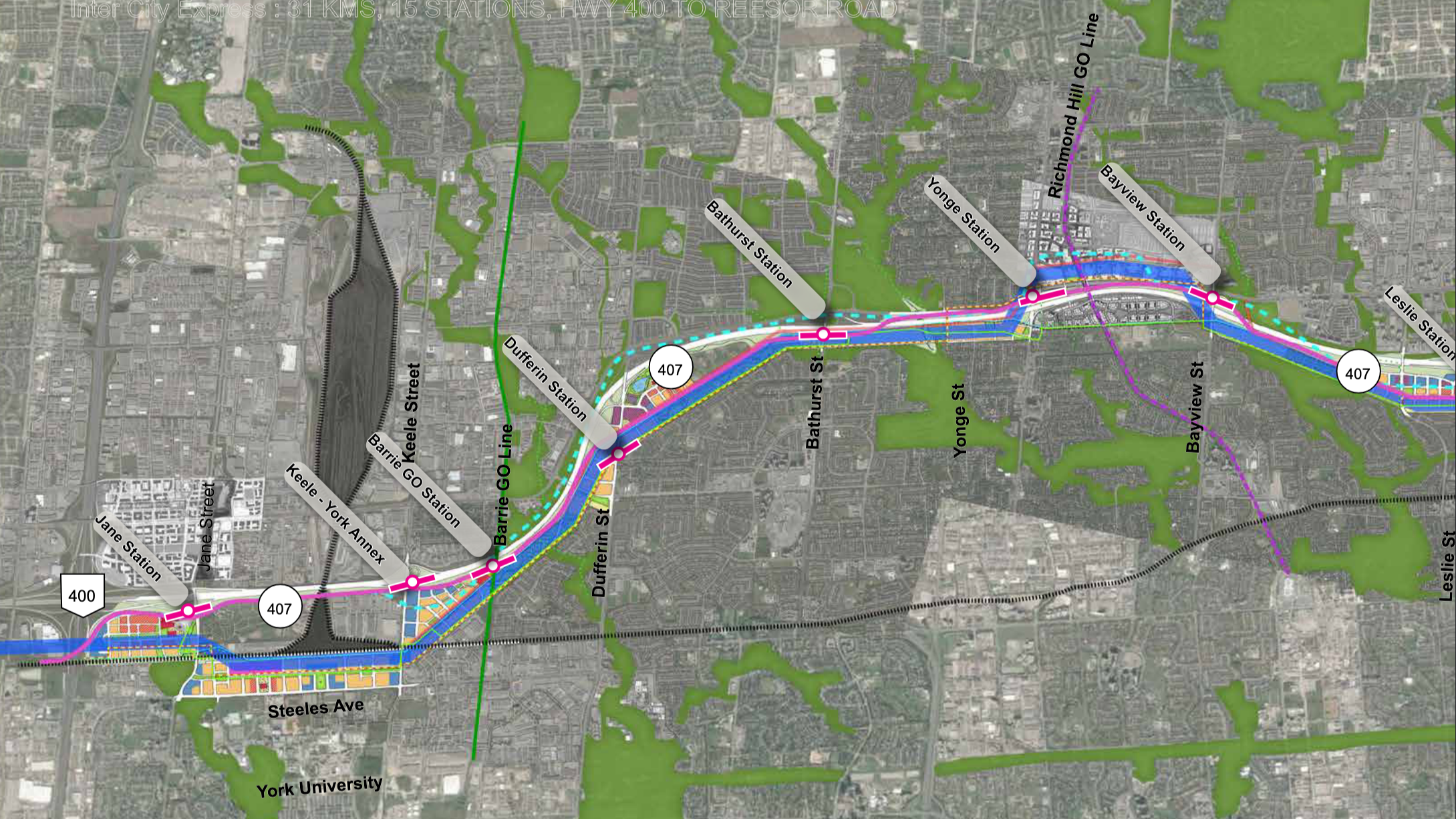
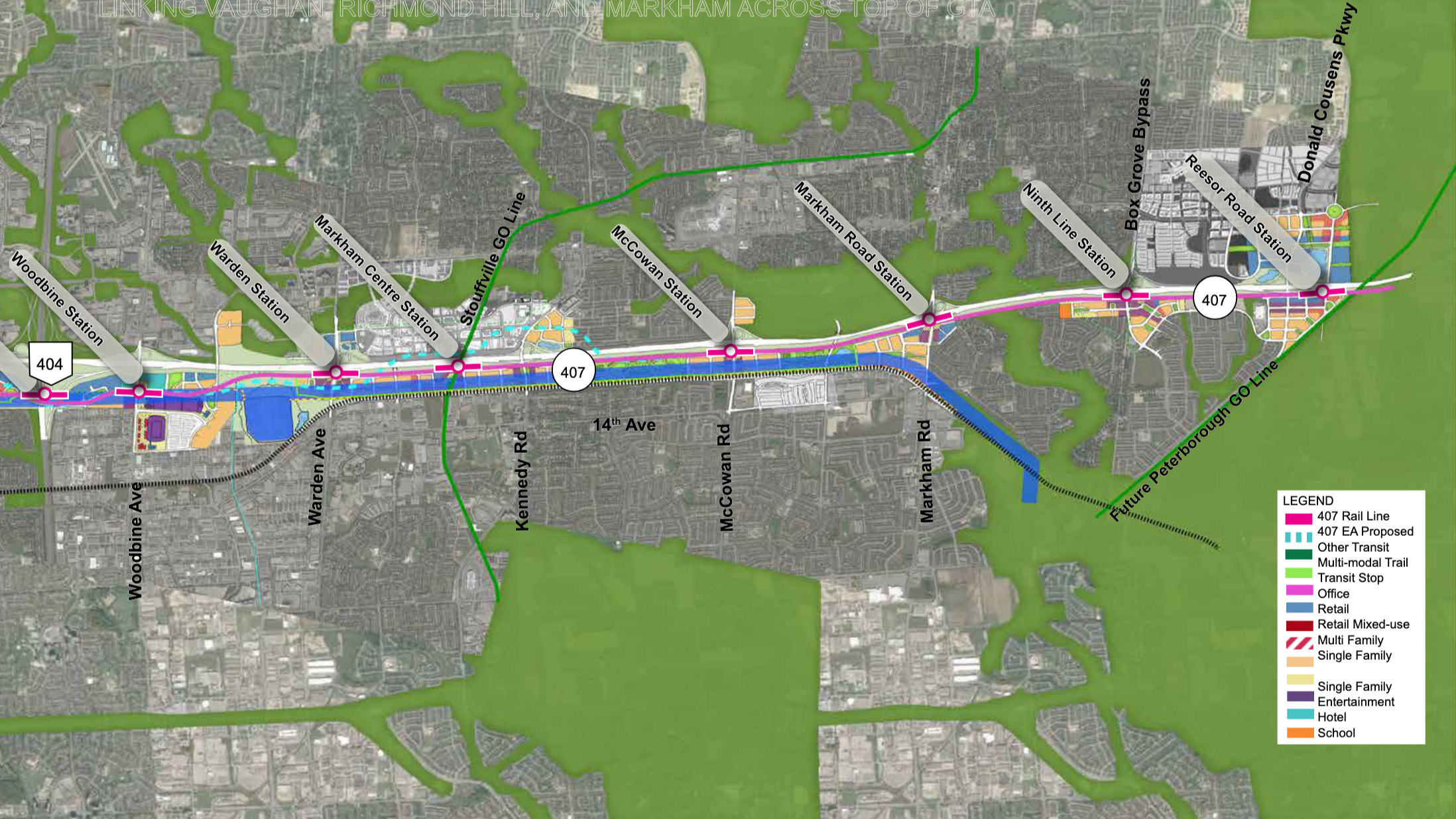
The GTA Crosstown is a proposal and framework, not a finalized government project. It does not replace existing transit plans or override local decision-making. Instead, it is meant to spark informed discussion, encourage alignment, and provide a credible starting point for regional collaboration.
It is also not a single solution to every challenge facing the GTA. Rather, it is one strategic opportunity — already embedded within an existing corridor — to think differently about how infrastructure, housing, and sustainability can work together.
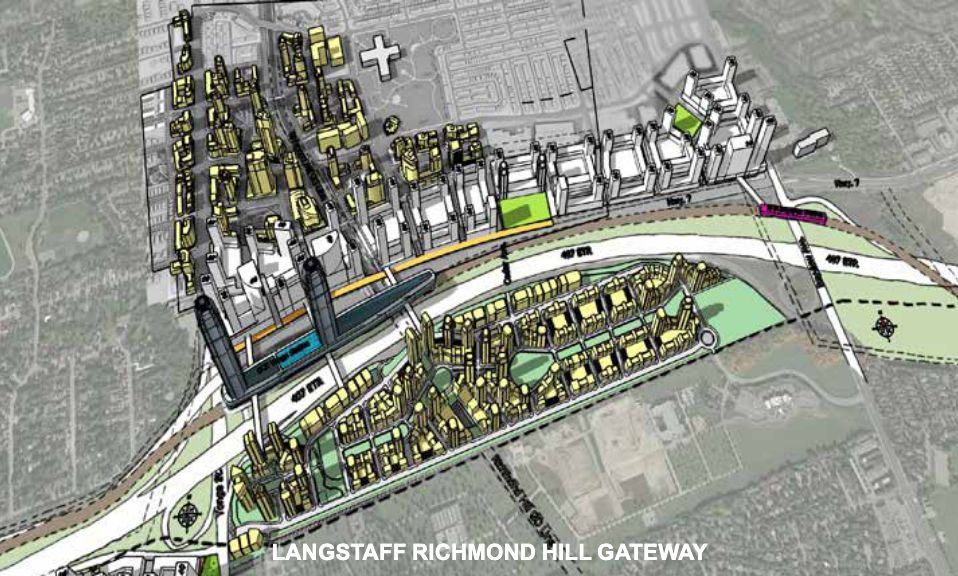
The GTA Was Never Designed for East–West Travel — And It Shows
If you live in the Greater Toronto Area, chances are you’ve felt it: trips that should take 20 minutes stretching into an hour or more, not because of distance, but because of how the region is structured. The GTA’s transportation system was largely built to move people in and out of downtown Toronto. What it was never designed to do well is move people across the region.
Why Building Transit Without Housing No Longer Works
For decades, governments have tried to solve congestion by building transit — and then tried to solve housing affordability separately. The result has been predictable: transit lines that underperform and housing developments that lock residents into long, car-dependent commutes.
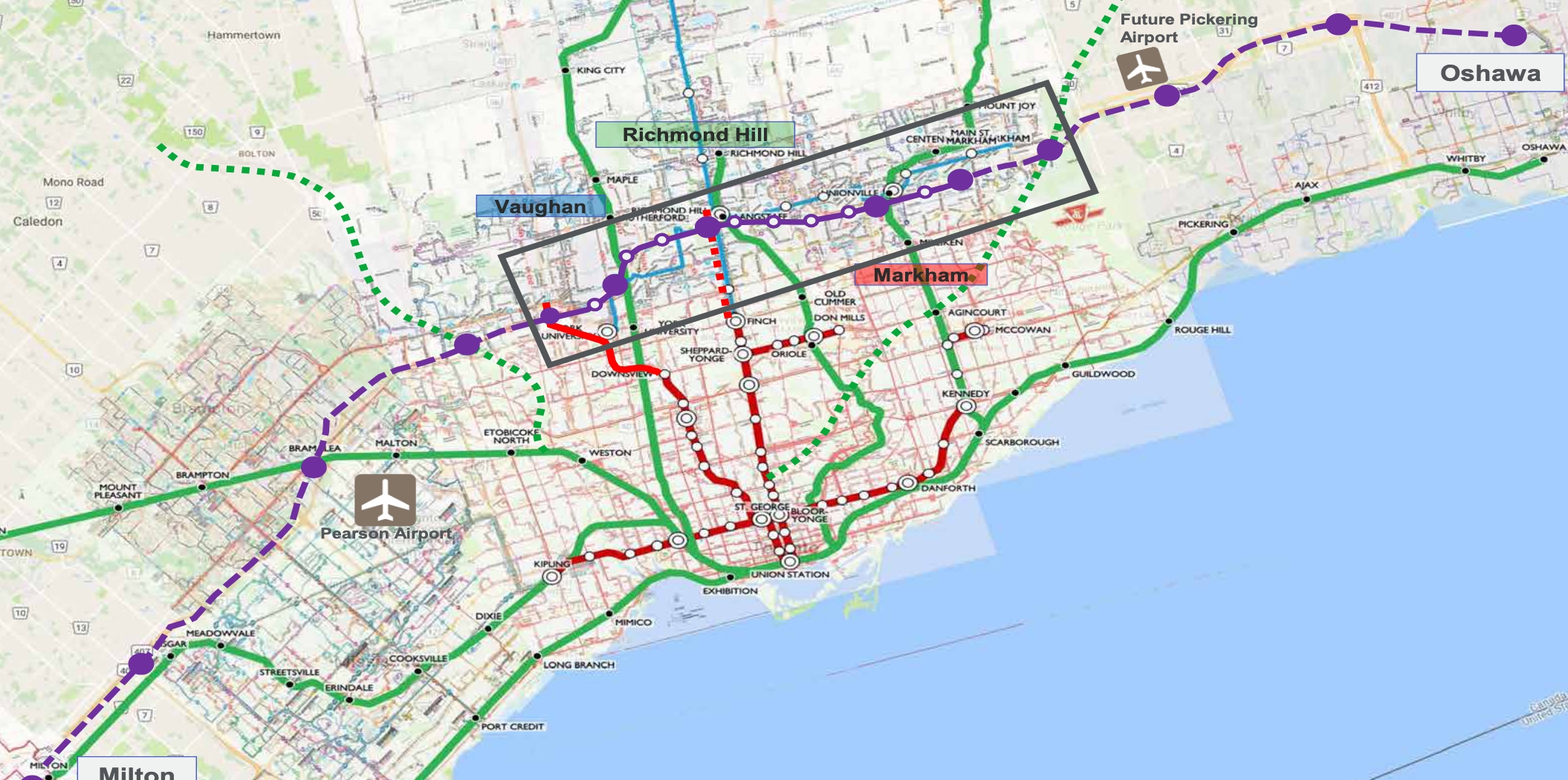
What the World’s Best Transit Systems Teach Us About the GTA’s Future
In places like Japan, Germany, South Korea, and Hong Kong, transit works because it is integrated into daily life and long-term planning. Stations are centres of activity. Service is frequent and reliable. Development is planned around transit, not against it. Most importantly, rail is treated as economic infrastructure, not just a transportation expense.

An Invitation to Engage
The future of the GTA will be shaped by the decisions made today. The GTA Crosstown invites governments, communities, industry partners, and residents to explore a shared vision for a more connected, affordable, and sustainable region.